
 Marvelbet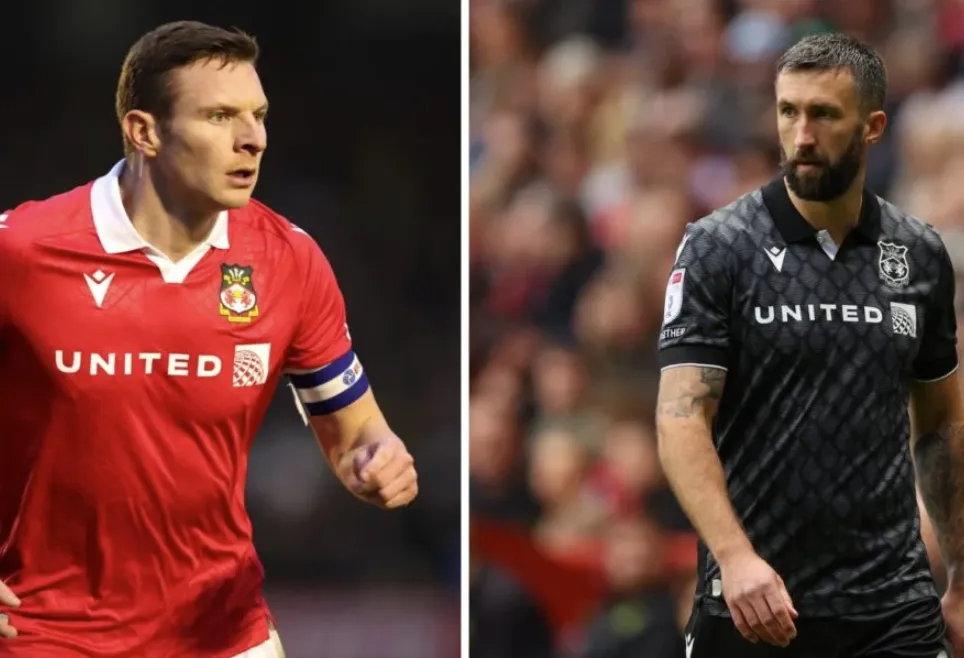
Football is a game of fine margins, and rarely has that been more evident than in the recent clash between Wrexham AFC and Bradford City. The match, filled with high-octane energy and a physical battle, left a bitter taste in the mouth of Wrexham’s star striker, Paul Mullin. Known for his clinical finishing and fiery passion, Mullin’s post-match comments have sent ripples through the fanbase, sparking debates about officiating, rivalry, and the sheer intensity of League Two football. As we break down the events that unfolded, we’re looking beyond the final whistle to understand why this match was so much more than just a game.
The Heart of the Controversy: What Actually Happened?
The atmosphere at the racecourse ground was electric. Both Wrexham and Bradford City came into this fixture with high ambitions, but it was the Bantams who seemed to have a specific game plan to disrupt Wrexham’s rhythm. The physicality of the match was apparent from the first minute, with several heavy challenges flying in. The flashpoint came in the second half when Mullin, Wrexham’s top scorer, was on the receiving end of a particularly robust tackle that left him visibly frustrated.
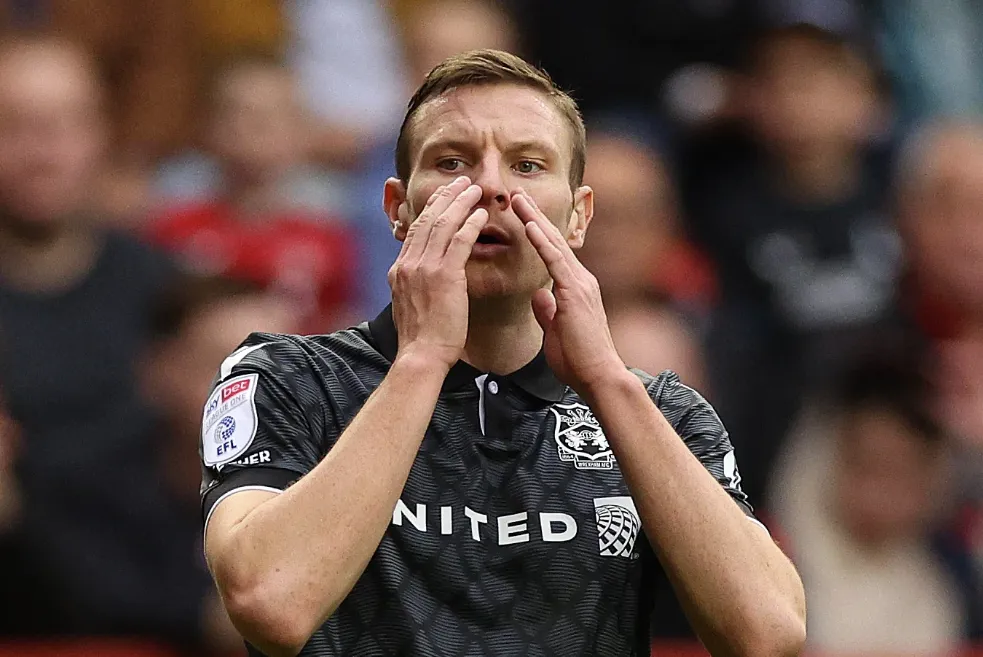
According to Mullin, the challenge was a “bad one,” and his frustration was not just with the tackle itself but with the subsequent lack of protection from the match officials. He felt that persistent fouling was allowed to go unpunished, which ultimately breaks the rhythm of a team trying to play football. The striker’s comments reflect a growing concern among forward players that the modern game, particularly in the lower leagues, sometimes allows defenses to get away with too much. For a player of Mullin’s caliber, who relies on sharp movement and quick turns, a constant barrage of physical contact can be the difference between scoring the winner and being forced to play a frustrating, stop-start game.

The Role of the Referee
Mullin’s grievance centers heavily on the referee’s performance. He argued that there needed to be “a lot more protecting” given to players who are trying to play football. This sentiment is a common one in the EFL, where the speed of the game often outpaces the referee’s ability to control it. In this particular instance, the failure to brandish an early yellow card for the first heavy tackle set a dangerous precedent. It signaled to Bradford that they could continue their aggressive tactics without significant consequence.
From a tactical perspective, this is a legitimate concern. A match that becomes a free-flowing battle of skill often sees the more technical side win. Conversely, a stop-start match filled with fouls can level the playing field for a more physical, defensive side. For Wrexham, who are still building their identity after successive promotions, adapting to this level of physicality without losing their composure is a key learning curve. The question remains: was this just a bad day at the office for the officials, or is there a systemic issue with how physical contact is managed in the league?
Why This Game Mattered More Than Three Points
Let’s be honest—this wasn’t just another Tuesday night game. The history between these two clubs, while not as ancient as some rivalries, has developed a real edge over the past few seasons. Bradford City is a giant of League Two, a club with Premier League history that is desperate to return to the third tier. Wrexham, with their Hollywood backing and recent success, represent the new money and ambition in the division. This clash of cultures creates a perfect storm.
- The Ambition Factor:Bradford sees themselves as fallen giants. Wrexham sees them as the benchmark for where they need to be.
- The Style Factor:Bradford often relies on a robust, direct style, while Wrexham tries to play a more possession-based, expansive game.
- The Atmosphere:The fans hate each other on the pitch, which fuels the intensity for the players.
Mullin’s reaction, therefore, isn’t just about a single tackle. It’s about the frustration of competing against a team that, in his eyes, chose to stop the game rather than play it. This psychological battle is often overlooked in statistical analyses but is crucial for understanding the emotional state of the squad moving forward.
Paul Mullin: The Heartbeat of Wrexham
To understand the weight of Mullin’s frustration, you have to understand his role in the Wrexham project. He is the talisman, the hero, and the man who has scored the goals that propelled them from the National League to League Two. When he speaks, the fans listen.
His comments reveal a man who is deeply invested in the club’s philosophy. He isn’t just a mercenary looking for a paycheck; he cares about the style of play and the team’s identity. The physical nature of the Bradford game challenged that identity. “It’s something we are going to have to deal with,” Mullin admitted, indicating that while he is unhappy, he knows the team must adapt.
A Call for Protection
As a former Golden Boot winner in the lower leagues, Mullin is used to being a marked man. However, the line between “man-marking” and “targeting” is a fine one. When a player of his quality feels he is not being protected, it raises a red flag for the entire league system. The PFA (Professional Footballers’ Association) often lobbies for better protection for creative players, and Mullin’s case is a perfect example of why this is necessary. If star players are consistently kicked out of games without recourse, the quality of the product on the pitch suffers.
What This Means for Wrexham’s Season
Despite the frustration, the result—a draw—wasn’t a disaster. However, the manner of the performance and the subsequent comments from Mullin might serve as a wake-up call for Phil Parkinson, Wrexham’s manager.
Key Takeaways from the Match:
- Tactical Adaptation:Wrexham needs to find a way to counter physical defenses without losing their heads. This means quicker passing and more movement off the ball to avoid tackles.
- Discipline:Getting drawn into a physical battle can lead to red cards. The team must remain calm.
- Set Pieces:If the game gets scrappy, set-pieces become the primary weapon. Ben Tozer’s long throws become even more vital in these games.
The real test for Wrexham is building “football intelligence.” They need to recognize when a team is playing this way and adjust their game plan accordingly, rather than getting frustrated and playing into the opponent’s hands. Mullin’s anger can be a catalyst for change, or it can be a source of distraction. How the management channels that energy will define their season.
Conclusion: The Bigger Picture for Marvelbet Fans
In the end, the clash between Wrexham and Bradford City was a microcosm of the beautiful game’s struggle between skill and brutality. Paul Mullin’s outspoken criticism is a breath of fresh air in a world often filled with bland press conference quotes. He showed the passion that makes the sport great. For fans following the latest Marvelbet coverage of the EFL, this is a story to watch.
The physicality of the lower leagues is what makes it so compelling, but it also poses a threat to the star players who make it entertaining. As the season progresses, Wrexham must learn to navigate these choppy waters. Will they tighten their grip on the promotion spots, or will the constant fouling take its toll? Only time will tell, but one thing is for sure: Paul Mullin won’t take it lying down.
What are your thoughts on the officiating in that match? Do you think the refs need to do more to protect players, or should players just “get on with it”? Drop your comments below and let’s get the conversation started. Keep checking back here for more in-depth analysis and the latest expert opinions on your favorite teams!
