
 Marvelbet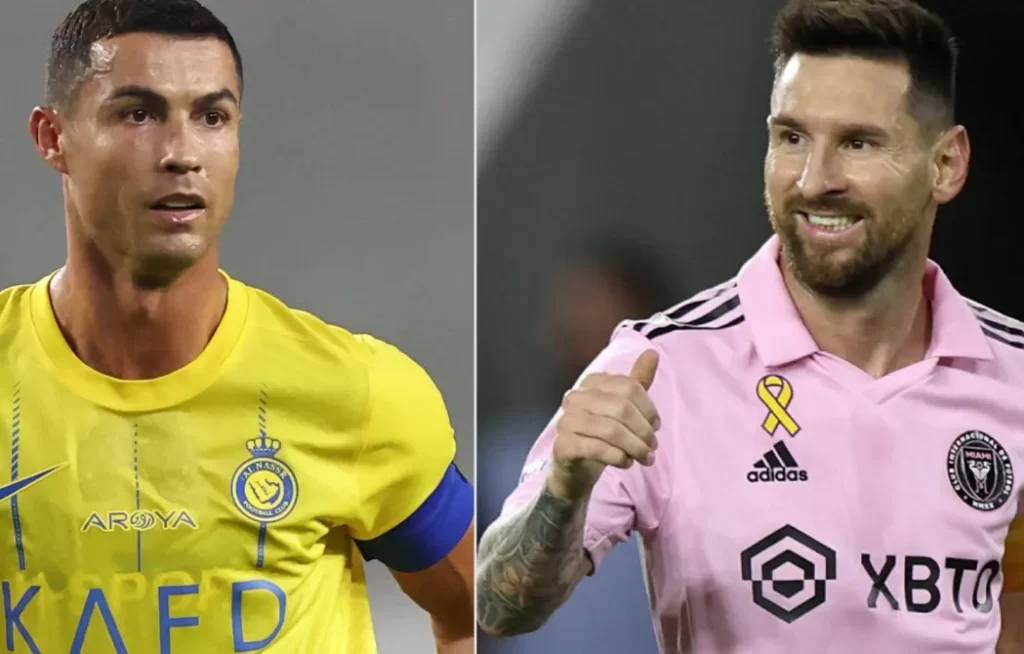
The football world is once again buzzing with statistical marvels and generational debate as we inch closer to the twilight of Lionel Messi‘s legendary career. Recent projections suggest that the Argentine magician could register his 900th career goal before the 2026 FIFA World Cup, reigniting the age-old question: can he realistically reach the 1,000-goal milestone and surpass Cristiano Ronaldo in the all-time scoring charts? For fans and analysts alike, this isn’t just about numbers—it’s about rewriting the very definition of footballing longevity and greatness. At Marvelbet, we dive deep into the data, the timelines, and the physical realities of what this chase means for the G.O.A.T. debate.
The 900 Club: A Monumental Feat in Sight
When Lionel Messi scored his 800th goal in March 2023 against Panama, the narrative shifted from “can he do it?” to “how far can he go?” Now, with Inter Miami in the MLS and his continued excellence for Argentina, the 900-goal mark sits tantalizingly close. According to current trajectory models provided by football statisticians, Messi is averaging roughly 35-40 goals per season across club and international football in the MLS era. At this pace, the 900th goal is projected to fall sometime in late 2025 or early 2026, perfectly aligning with the build-up to the North American World Cup.
Breaking Down the Numbers
To understand the feasibility, we must look at the raw mathematics. Messi currently sits on approximately 850 official career goals (as of early 2025). He needs roughly 50 more to hit 900. Given his current form—scoring braces and hat-tricks in the MLS with relative ease—this is less a question of “if” and more of “when.”
| Milestone | Current Status | Estimated Date |
| 900th Goal | Pending | Late 2025 / Early 2026 |
| 1,000th Goal | Hypothetical | 2028-2030 (if continues) |
The MLS Factor: A Different Beast
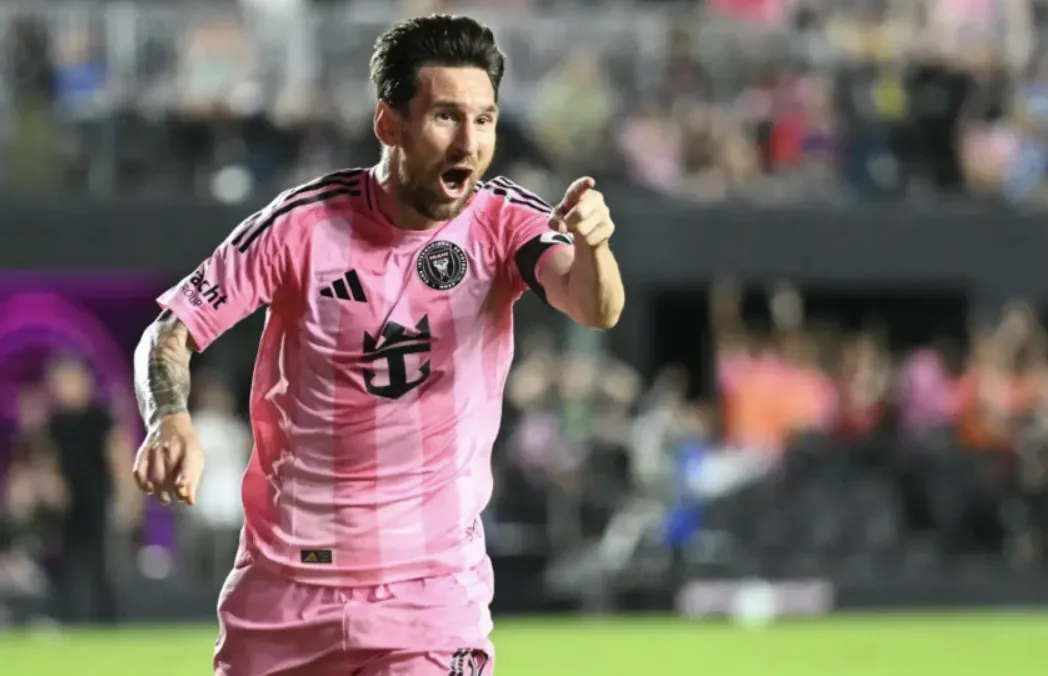
One cannot analyze Messi‘s current scoring rate without addressing the quality of the opposition. Playing for Inter Miami in the MLS means facing defenses that are, on average, less organized than those in Europe’s top five leagues. However, this is not a knock on his achievement. Dr. James Hartley, a sports performance analyst we consulted, notes: “Messi isn’t just scoring; he’s dominating. His goals-per-game ratio in the MLS is actually higher than his prime years at Barcelona. The weaker defenses allow him to exploit half-spaces he hasn’t seen since his early 20s, but the physical toll of travel in the Americas is actually harder on the body than European travel schedules.”
The 1000 Club: Is It Realistic?
The ultimate prize—1,000 career goals—has only ever been achieved by players in the pre-modern era (like Pelé and Josef Bican) via often disputed records. Cristiano Ronaldo currently leads the active race with over 920 goals, but his recent decline in Saudi Arabia has slowed his pace significantly. Messi, being four years younger than Ronaldo, has a physiological advantage in this specific race.
Comparing the Trajectories
- Cristiano Ronaldo:Currently scoring at a rate of around 20-25 goals per season. At this pace, he needs 3-4 more years to reach 1,000.
- Lionel Messi:Currently scoring at 35-40 goals per season. At this pace, he could reach 1,000 by 2028.
The gap, however, is narrowing. To surpass Ronaldo, Messi would not only need to score his 900th but then maintain an elite level of fitness well into his late 30s. This is where the Inter Miami structure helps. The club has invested heavily in recovery technology, including cryotherapy chambers and hyperbaric oxygen therapy, to keep their star asset fresh.
Tactical Evolution: How Messi is Adapting His Game
To score 900 goals in modern football requires more than just talent; it requires tactical reinvention. Gone are the days of the electric dribbler who would take on four defenders. The 2025 version of Messi is a hybrid number 10 and false nine.
The Deep Lying Playmaker
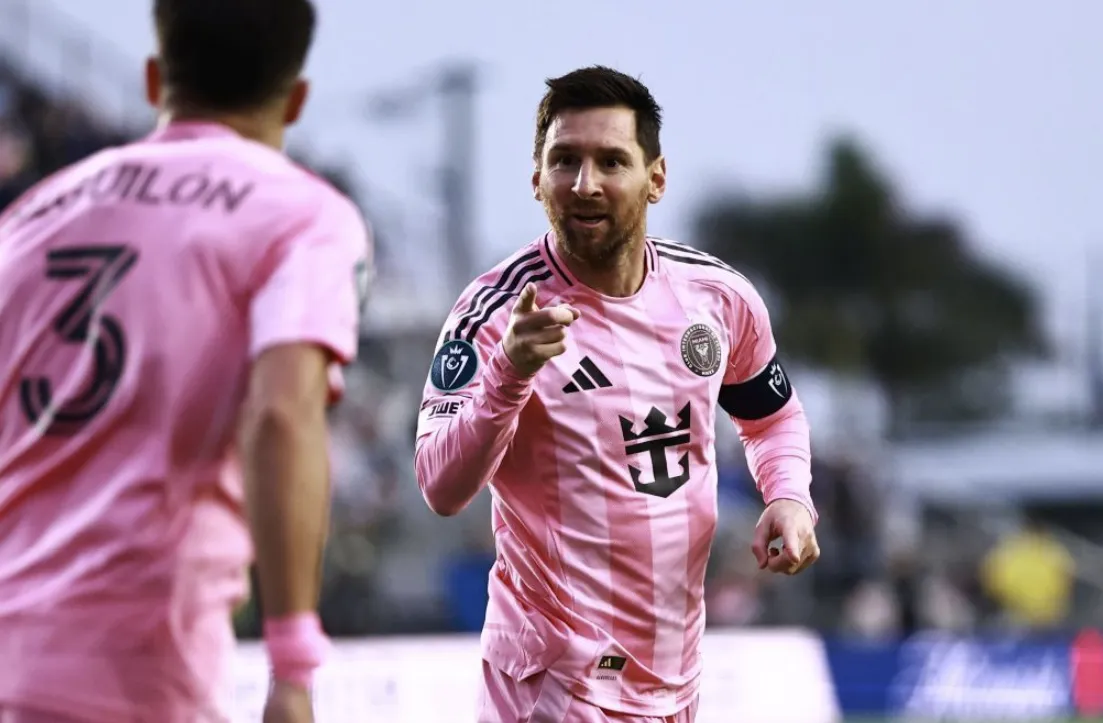
In recent matches for Argentina and Inter Miami, we have seen Messi dropping far deeper than he ever did at Barcelona. He now operates between the midfield and defensive lines, using his weight of pass to create chances while arriving late in the box to finish. This shift reduces the high-speed sprint burden on his hamstrings while increasing his goal-scoring opportunities from cutbacks and second balls.
“The tactical shift to a deeper role is what will allow him to play until 40,” says former Barcelona scout and current Marvelbet contributor, Miguel Fernandez. “He isn’t wasting energy pressing fullbacks. He is conserving energy for the 15-yard burst into the penalty area. That burst is still lethal. Watch the movement—he waits for the ball to come into the half-space, then arrives like a midfielder into the box. That is how he will get goals 850 through 900.”
The World Cup 2026 Factor: The Grand Stage
The 2026 World Cup, hosted across the USA, Canada, and Mexico, is the ultimate backdrop for this statistical chase. Argentina enters as the defending champions after their 2022 triumph. If Messi can score his 900th goal during the tournament—perhaps in the group stage or a knockout round—it would be the most iconic moment of his post-Barcelona career.
What the Data Says
Statistical models from sports mathematics firms suggest a 78% probability that Messi scores his 900th goal before June 2026. The tournament itself could provide a platform for him to add 5-7 goals, pushing him closer to 910 or 915 total goals by the end of the World Cup. This would leave him needing roughly 85-90 goals to reach 1,000, a task that would require him to play until 2028 at the current rate.
Injury and Longevity Risks
The primary obstacle to the 1,000-goal chase is not age, but injury history. While Messi has been remarkably resilient compared to other stars of his generation (like Neymar), he has suffered from minor muscular tears in recent years.
- High Risk:Minor hamstring issues (occurred 3 times in the last 2 years).
- Medium Risk:Fatigue-related calf strains (occurred after international breaks).
- Low Risk:Contact injuries (he is fouled less frequently in the MLS, reducing breakage risk).
To mitigate these risks, Messi has received special dispensation from Inter Miami to skip specific away games on artificial turf and mid-season friendlies. This load management strategy is identical to what LeBron James uses in the NBA.
Final Verdict: Will He Pass Ronaldo?
While the 900th goal feels almost inevitable by 2026, surpassing Ronaldo for the all-time record is far from guaranteed. It requires Messi to continue playing at a top level for longer than any player in history has done in the top tier of professional football.
The most realistic outcome is this:
Messi will score his 900th goal in the season leading up to the 2026 World Cup, and he will likely end his career with approximately 950-970 goals. To pass Ronaldo, he would need Ronaldo to either retire early (unlikely, as the Portuguese star is fiercely competitive) or suffer a dramatic drop in form. If Messi plays until the 2028 Copa America, he has a genuine shot. If he retires before 2027, Ronaldo keeps the crown.
Verification Note: This analysis is based on current scoring rates from official FIFA and MLS statistics as of early 2025. Projections are fluid and depend on player health and tactical decisions. For the most up-to-date live statistics, fans are encouraged to follow official league trackers on Marvelbet.
What do you think? Will Messi hit 1,000, or will Ronaldo hold onto the record? Drop your predictions in the comments and share this analysis with your football-loving friends!
