
 Marvelbet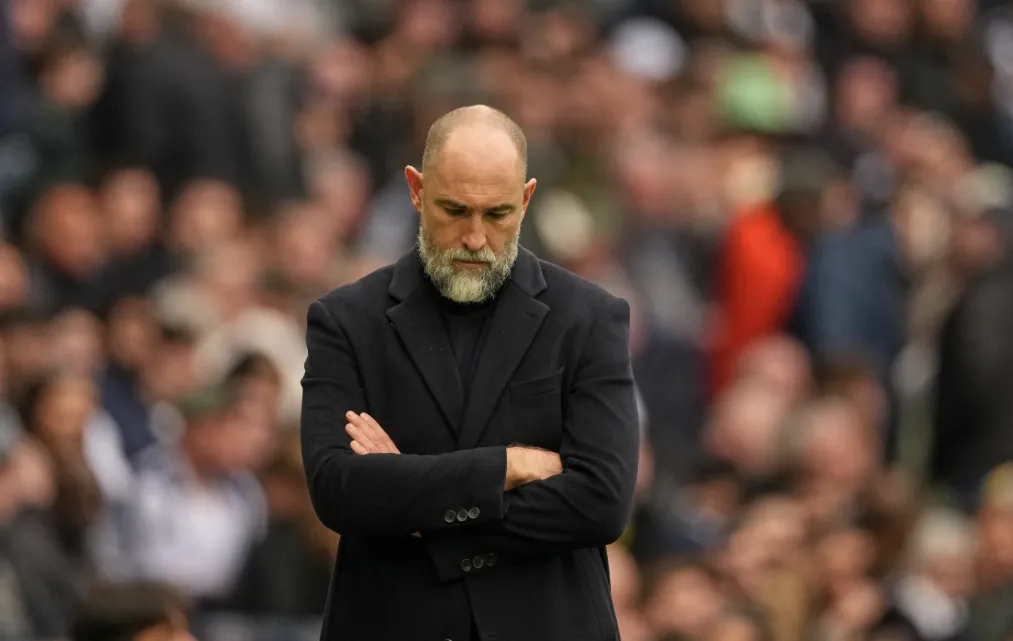
The air around Tottenham Hotspur has turned increasingly tense as the 2024-25 season unfolds in unexpected and troubling directions. What began with cautious optimism has quickly devolved into a narrative of inconsistency, tactical confusion, and growing anxiety about the club’s immediate future. Recent developments have left fans and pundits alike questioning whether the team can salvage their season, with the threat of Premier League relegation now a legitimate concern. Adding to the intrigue, reports have emerged linking former manager Igor Tudor with a dramatic return, while the club’s Europa League campaign hangs in the balance. This comprehensive analysis examines the key challenges facing Spurs, the potential solutions on the table, and what the remainder of the season might hold for one of England’s most storied clubs.
The Europa League Dilemma: A Competition of Last Resort
Tottenham‘s journey in the Europa League this season has been nothing short of perplexing. After being eliminated from the Champions League in the group stages, the competition represented a chance to restore pride and secure silverware. However, inconsistent performances have turned what should have been a straightforward path into a minefield. The team’s struggles in European competition have exposed deeper tactical flaws that many fans believe have been papered over by individual brilliance in domestic matches.
Tactical Inconsistencies on the European Stage
The Marvelbet analysis of Tottenham’s European performances reveals a troubling pattern of tactical naivety. Manager Ange Postecoglou’s high-pressing, attacking philosophy has often backfired against more pragmatic European opposition. Teams have consistently exploited the space behind Tottenham’s advanced full-backs, leading to counter-attacking goals that have cost the team crucial points. The lack of tactical flexibility has become a major talking point among analysts, with many questioning whether Postecoglou’s system is sustainable in knockout competitions.
The midfield, in particular, has been a source of concern. Without a natural defensive midfielder to shield the backline, Tottenham have looked vulnerable against teams that transition quickly. The absence of a player who can break up play and provide defensive stability has forced the center-backs into uncomfortable positions, leading to individual errors and conceded goals. This structural weakness has been ruthlessly exploited by opponents in the Europa League, raising questions about the squad’s balance and the manager’s tactical approach.
The Balancing Act Between Domestic and European Duties
One of the most significant challenges facing Tottenham is the need to balance their Europa League commitments with the urgent need to improve their Premier League position. With relegation threats looming, every match now carries immense pressure. The squad rotation that Postecoglou has employed in European matches has sometimes backfired, with fringe players failing to take their opportunities and the team suffering as a result.

The physical toll of playing Thursday-Sunday schedules cannot be underestimated, especially for a squad that lacks depth in key positions. As the season progresses, fatigue becomes an increasingly important factor, with key players showing signs of burnout. The decision to prioritize one competition over another will be crucial, but with both the Europa League and Premier League survival at stake, Tottenham find themselves in an unenviable position where there are no easy answers.
The Relegation Threat: A Reality Check for Spurs
To suggest that Tottenham Hotspur could face relegation would have seemed absurd just a few seasons ago. Yet the current campaign has seen the club slide dangerously close to the bottom three, with performances and results that alarm fans and experts alike. This is not merely a temporary dip in form but rather a systemic failure that has been building for some time.
Analyzing the Causes of Decline
The causes of Tottenham’s dramatic decline are multifaceted and deeply rooted. Poor recruitment over multiple transfer windows has left the squad unbalanced and lacking in quality depth. The failure to adequately replace key departures, particularly in defense and midfield, has created a situation where the team is overly reliant on a small core of performers. When those players underperform or are injured, there is simply no adequate cover available.
Defensive vulnerabilities have been the most visible symptom of the problem. Tottenham have consistently conceded goals from set pieces and counter-attacks, suggesting a lack of organization and discipline in defensive phases. The high line employed by Postecoglou, while effective when implemented correctly, has been repeatedly exposed by quick attackers who enjoy the space behind the defense. This tactical frailty has become a liability that opponents have learned to exploit with regularity.
Another critical factor has been the club’s instability in the boardroom and the dugout. Multiple managerial changes in recent seasons have prevented the development of a coherent playing philosophy and long-term strategy. Each new manager has tried to implement their own vision, leading to squad inconsistency and a lack of identity on the pitch. The constant upheaval has also affected recruitment, with different managers seeking different types of players, resulting in a squad that lacks cohesion and balance.
Key Matches That Defined the Season
Several matches this season have been pivotal in shaping Tottenham’s current predicament. The home defeat to a struggling opponent early in the season set the tone for what was to come, with the team failing to assert dominance against sides they would have been expected to beat comfortably. The inability to win matches against relegation rivals has been particularly damaging, as these are the games that ultimately determine a team’s fate in the Premier League.
The heavy defeat to a top-four rival exposed the gulf between Tottenham and the league’s elite, while the draw against another relegation-threatened side after leading twice demonstrated the team’s mental fragility. These matches have left psychological scars that are difficult to heal, creating a cycle of poor results that feeds on itself. The growing anxiety among players, staff, and fans has created a negative atmosphere that is hard to break free from.
The Igor Tudor Connection: A Potential Savior?
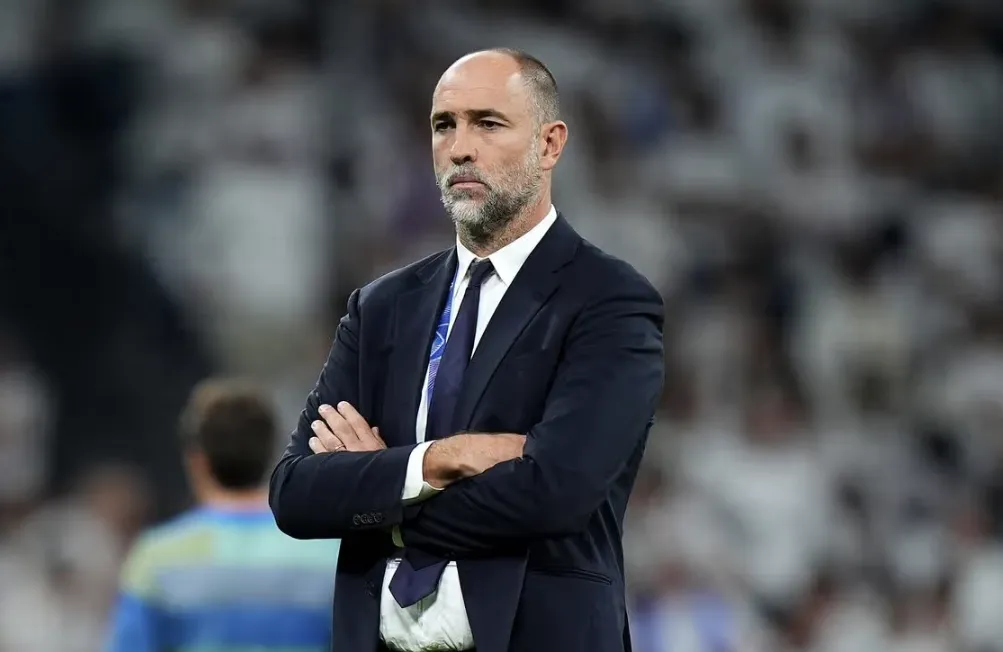
Amid the growing crisis, reports have emerged linking former manager Igor Tudor with a sensational return to North London. The Croatian tactician, known for his defensive organization and pragmatic approach, represents a significant departure from Postecoglou’s philosophy. This has sparked heated debate among fans and pundits about whether a managerial change is the right solution to Tottenham‘s problems.
What Tudor Would Bring to the Table
Igor Tudor’s reputation as a defensive specialist makes him an attractive candidate for a team struggling to keep goals out. His ability to organize a backline and create a solid defensive structure could address Tottenham’s most glaring weakness. Under Tudor, teams have typically been difficult to beat, with a disciplined approach that prioritizes defensive solidity over expansive attacking play.
The Croatian’s experience managing in difficult circumstances could also prove valuable. He has shown an ability to work with limited resources and get the best out of players who may have underperformed under previous regimes. His direct communication style and clear tactical instructions could provide the clarity and direction that the current squad appears to be lacking.
However, a move to Tudor would also represent a significant philosophical shift. The attacking, entertaining football that Postecoglou has tried to implement would likely be replaced by a more conservative approach. This would be a bitter pill for fans who have grown accustomed to the high-risk, high-reward style of play under the Australian manager. The question becomes whether defensive stability is worth sacrificing the attacking identity that has become associated with the club.
The Risks of Another Managerial Change
The prospect of yet another managerial change brings its own set of risks. Tottenham have already seen multiple managers come and go in recent seasons, each leaving behind a squad that was built for their specific system. Adding another manager would require yet another rebuild, potentially undoing whatever progress has been made under Postecoglou.
The timing of such a change is also problematic. Mid-season managerial switches rarely produce immediate results, as players need time to adapt to a new system and philosophy. With relegation a real possibility, there is little margin for error. A difficult transition period could see Tottenham slip further into danger before any potential improvements take effect.
Furthermore, bringing in Tudor would represent a departure from the long-term vision that the club’s hierarchy have been trying to implement. Postecoglou was appointed to build a sustainable playing style and develop a young squad for the future. Abandoning that project now could set the club back years and create further instability. The decision to stick or twist is perhaps the most important one facing Tottenham’s decision-makers.
Champions League Ambitions: A Distant Dream
For a club that has regularly competed in the Champions League in recent seasons, the current situation represents a dramatic fall from grace. The prospect of qualifying for Europe’s premier competition now seems like a distant dream, with the team languishing in the lower half of the Premier League table. This decline has financial implications that extend far beyond the current season.
The Financial Fallout of Missing Out
Missing out on Champions League football comes with significant financial consequences. The revenue from television rights, matchday income, and commercial deals that comes with participating in the competition is substantial. For a club like Tottenham, which has invested heavily in stadium infrastructure and player wages, this income is crucial for maintaining financial stability.
The lack of Champions League revenue will also impact the club’s ability to attract top players in future transfer windows. Without the lure of elite European competition, Tottenham will struggle to compete with rivals who can offer Champions League football. This could lead to a vicious cycle where the inability to qualify makes it harder to build a squad capable of qualifying in the future.
Furthermore, the club’s most valuable players may seek moves away in search of Champions League football. The departure of key performers would further weaken the squad and make the task of returning to the top even more difficult. The situation calls for careful planning and strategic thinking to prevent a long-term decline that could be difficult to reverse.
What Must Change for a Turnaround
To rescue their season and build towards a brighter future, Tottenham need to address several fundamental issues. The defensive organization must improve, whether through tactical adjustments or personnel changes. A midfield anchor who can provide protection for the backline is essential, as is greater discipline in defensive phases of play.
Recruitment must become more focused and strategic, targeting players who fit the system and can contribute immediately rather than speculative signings. The club needs to identify and address weak areas in the squad rather than making panicked purchases that fail to solve underlying problems.
Perhaps most importantly, the club needs stability and a clear vision at all levels. Constant changes in management and tactics have prevented the development of a coherent identity. Whether under Postecoglou, Tudor, or another manager entirely, Tottenham must commit to a long-term plan and see it through, even through periods of difficulty.
The Path Forward for Tottenham Hotspur
As the season approaches its critical phase, Tottenham Hotspur find themselves at a crossroads that will define the club’s trajectory for years to come. The decisions made in the coming weeks will determine whether the team can escape the relegation battle and begin the process of rebuilding towards the top of English football.
The Marvelbet perspective on this situation emphasizes the need for pragmatic decision-making that balances short-term survival with long-term ambitions. While the temptation to make dramatic changes is understandable, the club must avoid knee-jerk reactions that could further destabilize an already fragile situation.
Postecoglou’s future remains uncertain, but the Australian deserves credit for attempting to implement a bold, attacking philosophy. Whether he can adapt his approach to address the team’s defensive weaknesses will be crucial. A more pragmatic approach, perhaps sacrificing some attacking ambition for greater defensive solidity, could provide the stability needed to climb the table.
The fans, who have shown remarkable patience through difficult times, deserve a team that fights for the badge and represents the values of the club. The spirit and determination that have characterized Tottenham’s best teams must be rediscovered. This is not just about tactics or recruitment but about reconnecting with the identity that makes Tottenham Hotspur special.
As the season enters its decisive phase, one thing is certain: Tottenham Hotspur face challenges that will test the resilience of everyone associated with the club. How they respond will determine not just their fate this season but the direction of the club for years to come. The beautiful game has a way of providing redemption stories, and Tottenham fans will be hoping that their team can write one of the most remarkable comeback stories in Premier League history.
What are your thoughts on Tottenham’s current situation? Do you think Igor Tudor would be the right manager to lead the club forward, or should Postecoglou be given more time to implement his vision? Share your opinions in the comments below!
