
 Marvelbet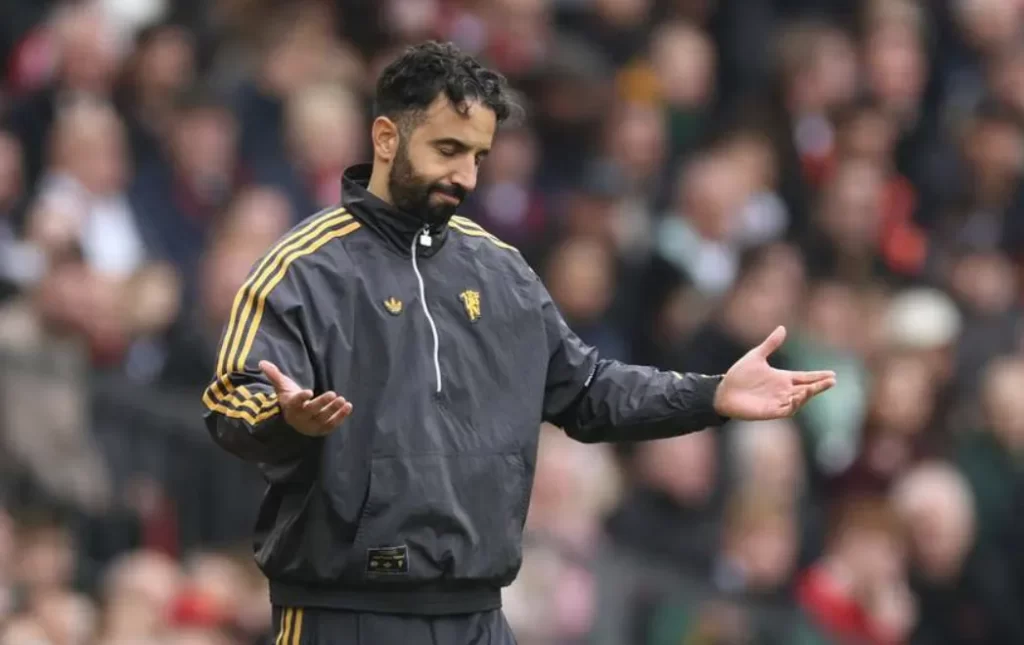
The era of Ruben Amorim at Manchester United has officially concluded after just 14 months, leaving fans and analysts alike questioning what could have been. When Sir Jim Ratcliffe took control of football operations in February 2024, he envisioned a unified approach to the club’s playing style. Yet, the appointment of Amorim—a coach with an uncompromising tactical philosophy—seemed to clash with that vision from the very beginning. This article explores the factors behind Amorim’s dismissal, the tactical struggles, and what this means for Manchester United moving forward.
The Seeds of Doubt: From Appointment to Dismissal
The warning signs appeared early. Ratcliffe was explicitly told that hiring Amorim represented a significant gamble. The Sporting CP boss came with a rigid 3-4-3 system, and reshaping Manchester United’s squad to fit this formation would require substantial investment—money the club simply didn’t have. There were also concerns about the youth and inexperience of Amorim’s coaching staff from Portugal, with some United staff members noting that rival clubs had similar reservations during their own evaluations of the Portuguese tactician.
Despite these warnings, Ratcliffe pushed forward with the appointment. The gamble, however, did not pay off. On Monday morning, CEO Omar Berrada and director of football Jason Wilcox personally delivered the news of Amorim’s sacking at the Carrington training ground. The decision came less than 24 hours after Amorim’s explosive post-match press conference following a disappointing 1-1 draw with Leeds United, where he publicly demanded to be recognized as “manager, not the coach” and told club executives to “do your jobs.”
Amorim leaves with just 24 wins in 63 games, a win percentage of 31.9%—the lowest of any permanent Manchester United manager since Sir Alex Ferguson’s retirement in 2013. To put this in perspective, even the most criticized managers of the post-Ferguson era achieved better results.
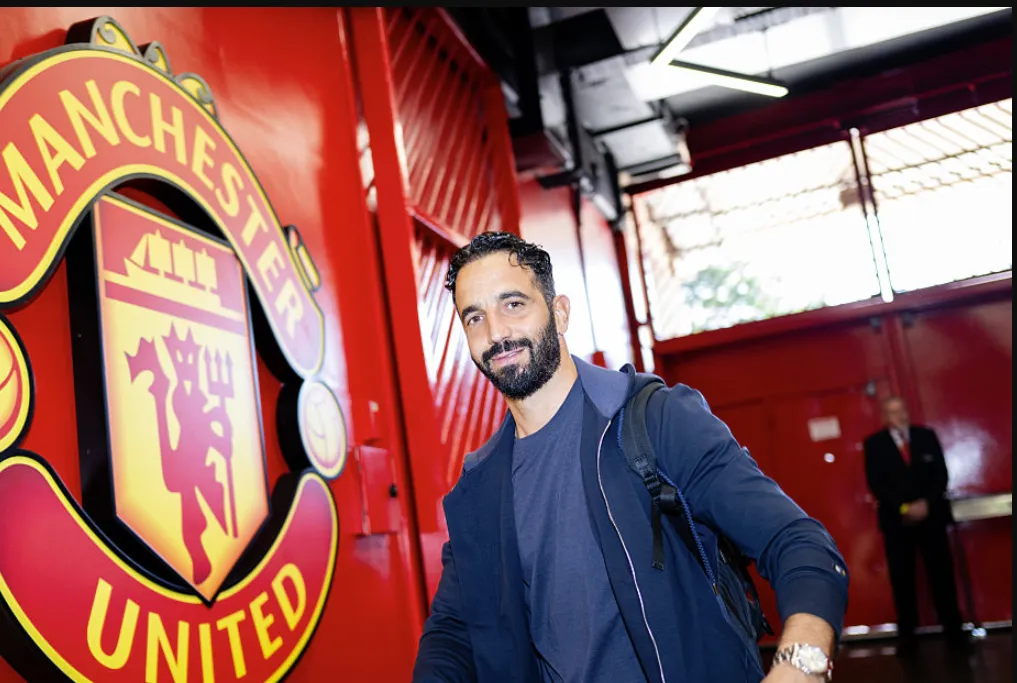
The Breakdown in Relationships
The deterioration of Amorim’s relationship with club hierarchy, particularly with Jason Wilcox, accelerated his downfall. In a heated meeting on Friday—arranged as a debrief following a 1-1 draw with Wolves—Wilcox encouraged Amorim to be more proactive with his tactical approach. The meeting was supposed to be constructive, but according to sources, Amorim responded with what has been described as an “overly emotional” reaction, effectively “blowing up” at the feedback.
The central issue was Amorim’s stubbornness with his 3-4-3 formation. While early on he had indicated a willingness to adapt and evolve, he never seemed to follow through. It wasn’t about choosing between a back three or back four, sources told ESPN—it was about sending the team out to dominate games and be more attack-minded, rather than the sometimes overly conservative approach that frustrated the hierarchy.
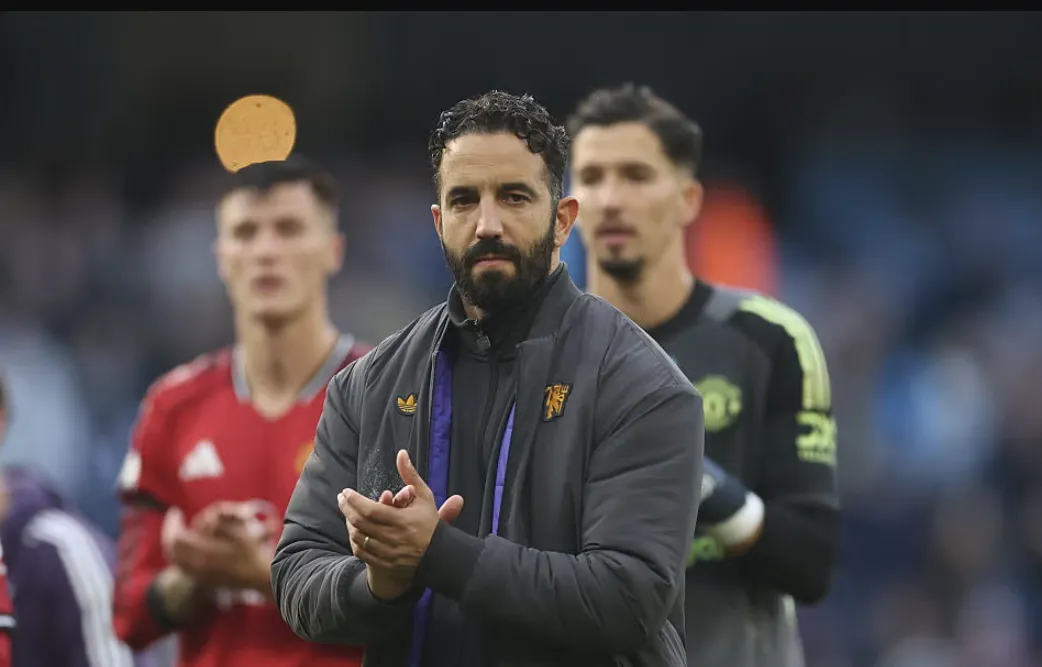
Tactical Troubles: The 3-4-3 System That Never Fit
Amorim‘s tactical rigidity became a defining characteristic of his tenure, and ultimately, a significant factor in his downfall. The 3-4-3 system that brought him tremendous success at Sporting CP never translated effectively to the Premier League.
Training Ground Frustrations
Some players described Amorim’s training methods as “basic.” There was an overwhelming emphasis on tactical walk-throughs on the indoor pitch in the academy building, as Amorim desperately tried to get his players to understand his preferred system. Players not involved in sessions were often asked to stand on the sidelines and observe.
The frustration was palpable. During training sessions, Amorim would sometimes physically drag players across the pitch until they were in what he considered to be the “right” positions. This approach, while demonstrating his commitment, also highlighted the fundamental disconnect between his system and the players’ abilities to execute it.
Fear of the Premier League
Perhaps most concerning was the growing feeling within the club that Amorim and his staff had developed a fear of the Premier League. He appeared more concerned with containing even the worst teams rather than attacking them. The 1-1 draw against Wolves—the league’s bottom side—was particularly damning. United played well in the first half against Newcastle on Boxing Day with a back four, eventually winning 1-0. But four days later against Wolves, Amorim reverted to a back three to match up with the visitors, despite them arriving at Old Trafford with just two points from 18 games.
This conservative approach, especially against inferior opposition, led several United staff members to lose faith that Amorim was the right man for the job. The inability to dominate games and impose his style on the opposition was a glaring weakness that ultimately could not be overlooked.
Player Management: A Communication Crisis
Amorim was hired partly because of his reputation as a charismatic communicator—something his predecessor Erik ten Hag notably lacked. However, his communication style repeatedly caused problems.
Public Criticism Backfires
His comments after a defeat to Brighton in January 2025—that the team was “maybe the worst” in the club’s 147-year history—did not sit well in the dressing room. When Amorim criticized a senior player for lack of intensity, the player discovered the critique by reading quotes on his phone rather than hearing it face-to-face. The coaching staff later acknowledged that such feedback should have been delivered in person.
In another incident, Amorim was so outspoken about a player during a television interview that the club felt compelled to ask the broadcaster to remove the comments before they aired. The broadcaster agreed, but the damage to trust was already done.
A Distant Manager
Despite being a former player at Benfica and Braga, Amorim maintained surprising distance from his squad. He compartmentalized everything and refused to get involved in areas he didn’t believe were his concern, often leaving coaches and staff to handle their duties without interference. This was a departure from Ten Hag’s style, with the Dutchman always keen to know everything, including travel plans for games and players’ media commitments.
There were moments of genuine connection, however. After young defender Leny Yoro was visibly upset following a mistake against Crystal Palace in November, Amorim took time in the days following the game to show the France international a video containing only the things he had done well. He also changed the pre-match routine at Old Trafford so the team arrived when supporters gathered, and players were told they had to stop for pictures and autographs.
Yet these positive moments were overshadowed by the growing disconnect. Amorim ordered small circular tables to be swapped for two long tables to prevent cliques forming at mealtimes, and organized a “family day” after a damaging Carabao Cup defeat. But when some players didn’t attend a BBQ organized after the Europa League final defeat to Tottenham, Amorim was visibly annoyed, feeling the team needed to stick together during difficult times.
Recruitment Frustrations: A Clash of Philosophies
The tension between Amorim’s immediate needs and the club’s long-term vision was a constant source of friction.
Head Coach vs. Manager
Amorim was given the title of “head coach” rather than “manager” to reflect his place in the new structure under Ratcliffe. However, from his very first press conference, he insisted more than once that he must “choose the players.” This directly contradicted what club bosses were saying behind the scenes about the new recruitment structure.
Transfer Window Battles
The summer transfer window highlighted the fundamental disagreement between Amorim and the hierarchy. While the club believed Amorim was “fully aligned” with the plan to bring in three attackers rather than a central midfielder, the reality was more complicated. Amorim wanted a proven Premier League goalscorer like 30-year-old Ollie Watkins, but the club preferred signing 22-year-old Benjamin Sesko for €85 million—a younger player who could be developed and potentially sold for profit.
A similar debate occurred with goalkeepers. United eventually signed 23-year-old Senne Lammens over Aston Villa’s 33-year-old Emi Martinez. Shortly after the summer 2025 window closed, Amorim remarked that his squad didn’t have enough “crazy guys”—a comment viewed internally as a dig at the board for passing on the Argentine World Cup winner.
January Transfer Window Disappointment
The January transfer window proved particularly frustrating for Amorim. Money was available to sign Antoine Semenyo for his £65 million release clause, but when the Bournemouth winger preferred a move to Manchester City, Amorim was told those funds wouldn’t necessarily be used elsewhere. This was a significant blow, as he was without eight first-team players against Wolves and Leeds due to injuries and international call-ups.
A look at United’s bench against Leeds told the story—several academy players were named among the substitutes despite not yet making meaningful first-team appearances. After his volatile meeting with Wilcox on Friday, Amorim held a tense press conference and told reporters there were “no conversations” ongoing about January transfers. He then cancelled a scheduled broadcast interview, citing “personal reasons,” and left the training ground.
The Final Days: A Manager’s Last Stand
The weekend that sealed Amorim‘s fate began with that explosive meeting with Wilcox on Friday, followed by a tense press conference, and culminated in his stunning post-match comments at Leeds on Sunday.
The Leeds Ultimatum
Following the 1-1 draw with Leeds United, Amorim delivered what would be his final words as Manchester United manager. He demanded to be seen as “manager, not the coach” and told club executives to “do your jobs.” The message was clear: he was frustrated with the limitations placed on him, the lack of support in the transfer market, and the constant questioning of his tactical decisions.
“During his pointed postmatch comments at Leeds, Amorim said: ‘If people cannot handle the Gary Nevilles and the criticisms of everything, we need to change the club,'” sources reported. This was a direct reference to continued criticism from former players in the media, which Amorim believed was influencing the pressure to change his system.
The End at Carrington
Monday morning brought the inevitable conclusion. CEO Omar Berrada and director of football Jason Wilcox delivered the news to Amorim in person at Carrington. The club insisted the decision wasn’t solely based on the breakdown in relationships, but rather because there hadn’t been “enough signs of evolution or progress” on the pitch.
However, the timing was telling. Amorim won just 15 of his 47 Premier League games, but the dismissal came so quickly after his Elland Road comments that the connection was impossible to ignore. From the moment he took public aim at his employers, the writing was on the wall.
What’s Next for Manchester United?
Ratcliffe, Berrada, and Wilcox now face the daunting task of finding another coach who can restore Manchester United to its former glory. The club has cycled through managers since Ferguson’s retirement—David Moyes, Louis van Gaal, Jose Mourinho, Ole Gunnar Solskjaer, Erik ten Hag, and now Ruben Amorim—each with their own philosophy, each failing to recapture past success.
Lessons Learned
The Amorim experiment offers several lessons for United’s hierarchy:
Tactical rigidity doesn’t work in the Premier League unless you have the perfect squad, which United clearly didn’t.
The head coach vs. manager debate matters—Amorim wanted control over recruitment, and when he didn’t get it, resentment grew.
Public criticism of players rarely works and often backfires, damaging relationships beyond repair.
Building a squad for a specific system takes time and money—and when you don’t have either, you need flexibility.
The Search Begins
United must now find a coach who can work within the club’s new structure while still delivering results. The hierarchy wants someone who can develop young talent, implement an attacking style, and handle the immense pressure of managing one of the world’s biggest clubs.
Former players and pundits have already begun speculating about potential candidates. The club needs a “superstar manager,” as one analyst noted, but finding one willing to take on this challenge may prove difficult given the recent track record of managerial failures.
Conclusion: Ruben Amorim’s Manchester United Tenure — A Cautionary Tale
The story of Ruben Amorim at Manchester United serves as a cautionary tale about the dangers of ignoring warning signs. From the initial doubts about his tactical rigidity to the growing frustrations over recruitment and the final breakdown in relationships, the signs were there from the beginning.
Amorim arrived with infectious enthusiasm, pointing to the sunny Manchester sky on his first day at Carrington. He left on a cold, icy Monday morning, with his smile returning only after the weight of the job had been lifted. In between, there were moments of promise—the win against Newcastle, the connection with young players like Leny Yoro, the attempts to build team spirit. But ultimately, the results weren’t there, the style didn’t fit, and the relationships couldn’t be repaired.
For Marvelbet readers following the Premier League closely, Amorim’s failure offers valuable insights into the challenges of modern football management. The game has evolved, and the days of a single manager controlling everything are fading. Success now requires alignment between the boardroom and the training ground, between recruitment strategy and tactical philosophy.
What do you think about Amorim’s tenure at Manchester United? Was he given enough time and support, or was his dismissal inevitable? Share your thoughts in the comments below, and don’t forget to explore our other articles for more in-depth analysis of the beautiful game.
