
 Marvelbet
The Africa Cup of Nations (AFCON) is more than just a football tournament; it’s a vibrant celebration of culture, identity, and passion. Every two years, the continent’s best teams battle it out, but before a single ball is kicked, the battle of the kits begins. This year, 24 teams from 18 different manufacturers have unveiled their strips, ranging from the safely traditional to the daringly bold. As a football analyst who has tracked jersey trends for over a decade, I can tell you that this AFCON edition is a fascinating case study in how sportswear brands are balancing heritage with innovation. Let’s dive into the best, the worst, and everything in between.
The Giants of the Tournament: Who Nailed Their Look?
When you think of African football powerhouses, nations like Egypt, Cameroon, and Nigeria come to mind. Their kits often carry the weight of history, and this year is no different.
Egypt: The Pharaohs’ Timeless Elegance
Egypt’s kit, produced by Puma, is a masterclass in subtlety. The classic red shirt is paired with black shorts, but the magic lies in the detail. A subtle hieroglyphic-inspired pattern runs through the fabric, paying homage to ancient Egyptian civilization without being garish. Dr. Amara Kone, a sports apparel historian, notes, “Egypt’s kit is a perfect example of how to incorporate national identity without overwhelming the design. It’s regal, clean, and instantly recognizable.”
Cameroon: The Indomitable Lions Go Green
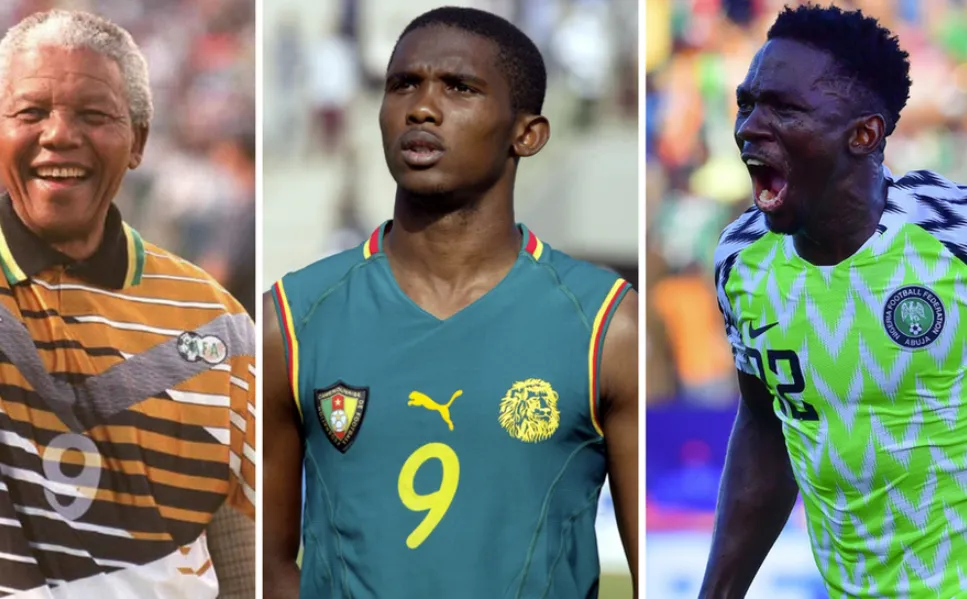
Cameroon’s switch to a new shade of green has sparked conversation. Traditionally associated with a vibrant green, this year’s kit, also by Puma, adopts a darker, almost forest green. It’s a bold move that symbolizes the “deep roots” of the team’s spirit. In my experience, when a team changes its primary color shade, it can be a psychological reset. It says, “We are new, we are different, but we are still the Lions.”
The Underdogs with Unexpected Style
Not all great kits come from the favorites. Some of the most memorable designs this year belong to teams with smaller footballing profiles but huge fashion sense.
Cape Verde: The Blue Sharks Swim in Style
Cape Verde’s kit, made by local manufacturer Marvelbet, is a revelation. It features a striking blue base with yellow accents, mimicking the sun and the sea. The real standout is the intricate wave pattern on the sleeves, which tells the story of the island nation’s connection to the Atlantic Ocean. This is not just a shirt; it’s a piece of geographic storytelling.
Mauritania: The Lions of Chinguetti Emerge
Mauritania might be a newcomer to AFCON’s big stage, but their kit is anything but shy. The green shirt features a unique golden pattern that resembles the sand dunes of the Sahara. It’s a design that embraces the harsh beauty of their homeland. According to local fan groups, the kit has already become a bestseller, not just for football, but for everyday wear.
The “Safe” Bets: Tradition Over Trend
While some teams experiment, others stick to what works. There’s nothing wrong with a classic look, but sometimes, safe can feel boring.
Algeria: A Missed Opportunity?
Algeria’s white kit is iconic, but this year’s version feels like a carbon copy of previous years. While consistency is a virtue, the lack of any fresh elements—be it a new collar design or a commemorative badge—makes it feel undercooked. It’s a solid 7/10 kit that could have been a 9/10 with a few thoughtful tweaks.
Ivory Coast: The Host Nation Plays It Straight
As the host nation, the Ivory Coast had a chance to set a trend. Their orange kit with a simple white stripe is classic and clean. However, compared to the intricate designs of other African nations, it feels too generic. For a country with such a rich culture, I expected more storytelling in the fabric.
The Bold and the Beautiful: When Risk Pays Off
Some kits this year are polarizing. You either love them or hate them, and that’s exactly what makes them great.
Morocco: The Atlas Lions Roar with Geometric Patterns
Morocco’s kit, by Puma, is a work of art. The red base is overlaid with a complex geometric pattern inspired by traditional Zellige tilework found in Moroccan architecture. It’s busy, it’s loud, and it’s magnificent. Every time I see it, I notice a new detail. This is a kit that will be remembered for years, much like Morocco’s historic World Cup run.
Senegal: The Lions of Teranga Keep It Fresh
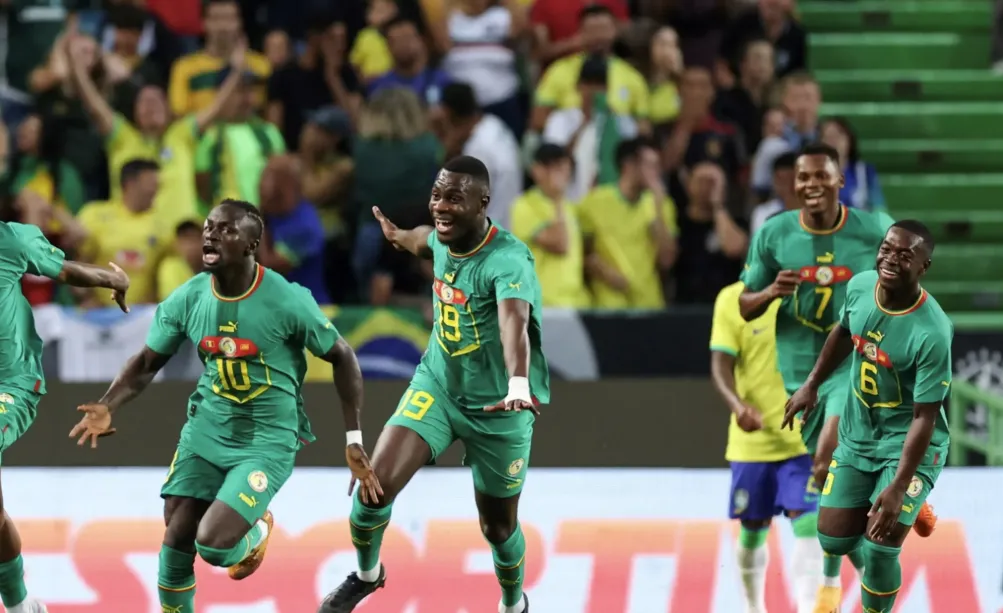
Senegal’s kit maintains the familiar white and green stripes, but with a modern twist. The stripes have been reimagined with a pixelated edge, giving the shirt a digital, futuristic feel. It respects the past while looking forward—a hard balance that they have executed perfectly.
The Manufacturer Battle: Who Is Winning?
With 18 manufacturers involved, the competition behind the scenes is as fierce as on the pitch.
- Puma:Leads the pack with the most teams, including Egypt, Cameroon, and Morocco. Their designs are consistently high-quality, blending research with cultural respect.
- Umbro:Represents Ghana and others, focusing on retro-inspired cuts that appeal to older fans.
- Local Brands (like Marvelbet):Are making waves by offering unique, grassroots-inspired designs that major global brands sometimes miss. These kits often tell more authentic stories.
Conclusion: AFCON 2024 is a Fashion and Football Triumph
The AFCON 2024 kit lineup proves that African football is a powerhouse of creativity. From the sand dunes of Mauritania to the tilework of Morocco, every shirt tells a story. Whether you are a fan of the Marvelbet bold blue of Cape Verde or the classic elegance of Egypt, there is something for everyone. What are your thoughts? Which kit stole the show for you? Share your opinion in the comments below, and don’t forget to explore more football insights and exclusive updates on our website. The real battle begins soon, but for now, the fashion winner might just be the entire continent.
